
Aviation Management for Mining Companies
One team, with a direct line open to clients 24/7, from exploration to decommissioning.
- Crew rotations
- Freight
- Charters
- The airstrip
- The people who run it
Learn more
Aviation management for a mining company means one team plans, sources and oversees everything that flies to and from the mine: crew rotations, freight, charters, the airstrip and the people who run it. Cirrus Intelligence does this as the mine's single point of contact for aviation: one team, with a direct line open to clients 24/7, from exploration to decommissioning. We are not an airline: we build the plan, contract the right aircraft for you, and can run the airstrip with our own staff.
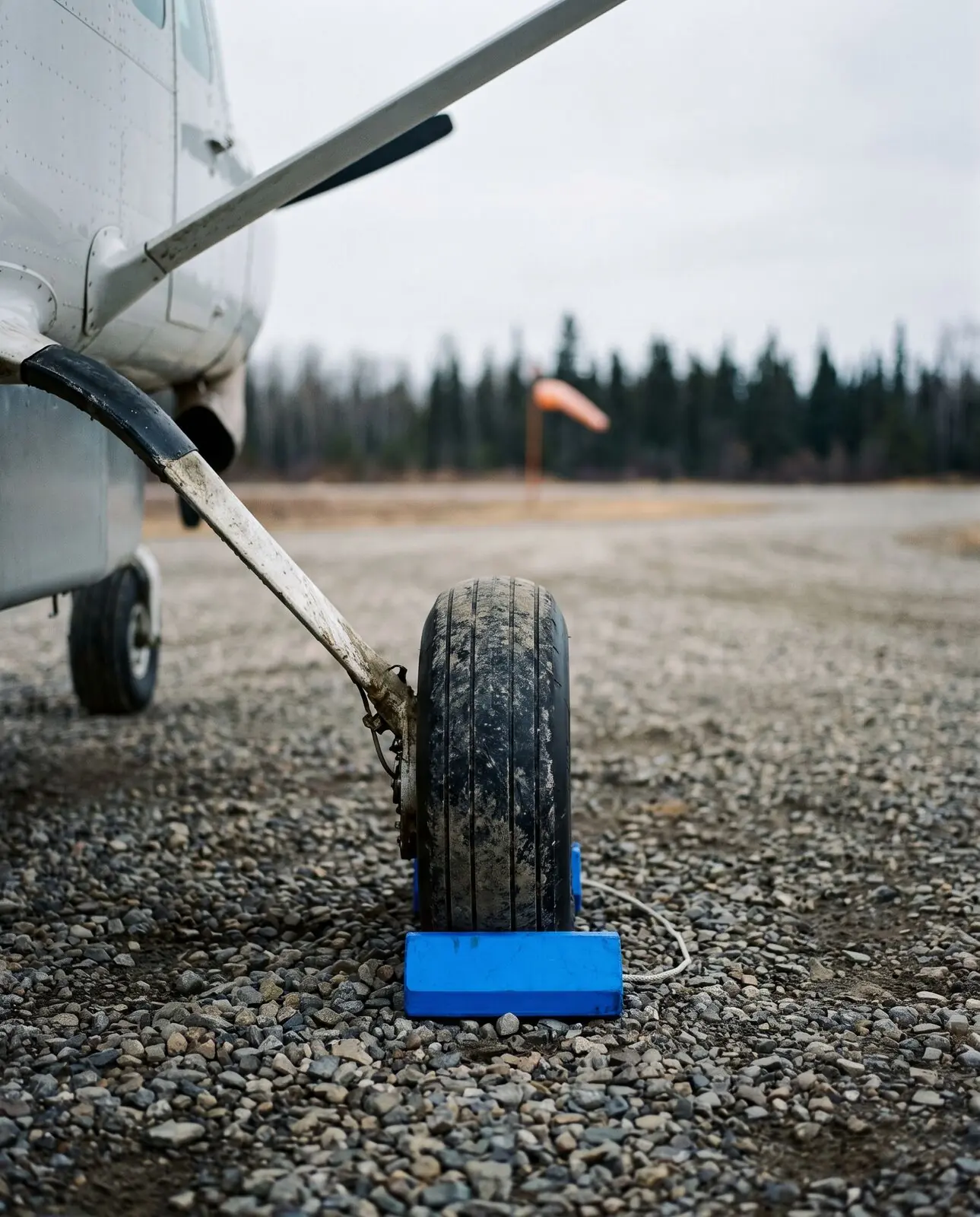
Who Manages Aviation for a Mining Company?
At many mines, nobody owns all of it. We take it on as your single point of contact and help you accomplish the mission.
- One Point of ContactOne Cirrus team answers for everything that flies to and from your mine.
- A Program, Not a MenuRotations, freight, charters and the airstrip are planned as one program, so each piece fits the others.
- The Right AircraftWe own no aircraft. We choose the ones that fit your mine and contract or broker them for you.
- The Airstrip in the PlanThe strip and its airport operations follow the same plan as the flights.
- Nothing Falls Between DepartmentsDelays, safety questions and regulatory follow up come back to one team.
- Your Teams on the MissionProcurement, HR and site services stop chasing carriers and get back to the project.
Learn more
Procurement signs the charter contracts. HR or site services builds the rotation. The camp contractor handles the terminal. A carrier runs the flights. Someone on site looks after the airstrip on top of another job. Each piece works on its own, but the gaps between them are where flights slip, seats go empty and the strip isn't ready when the aircraft is.
A mine has three ways to close those gaps:
- Build an in-house aviation department. You get full control, but you also take on the hiring, the regulatory knowledge and the carrier relationships.
- Let a carrier run it. This is simple, but the carrier plans around its own aircraft and its own schedule.
- Hand the program to an independent aviation manager. One party plans the whole picture, picks the aircraft that fit the job and answers for the result.
What Does Cirrus Manage for a Mine?
You can hand us the whole program or buy only the services you need.
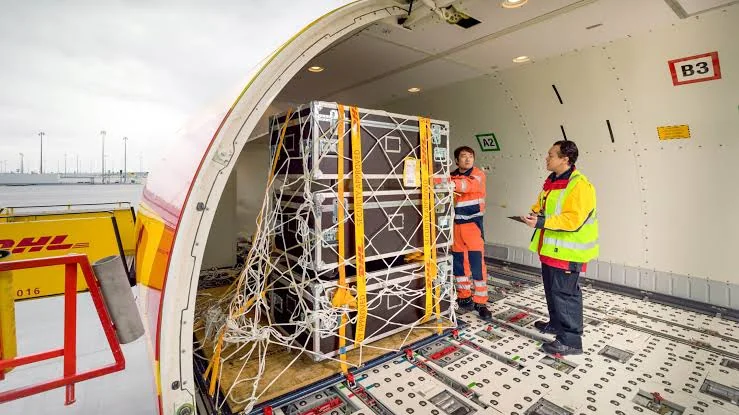 Air Logistics and FIFO Operations
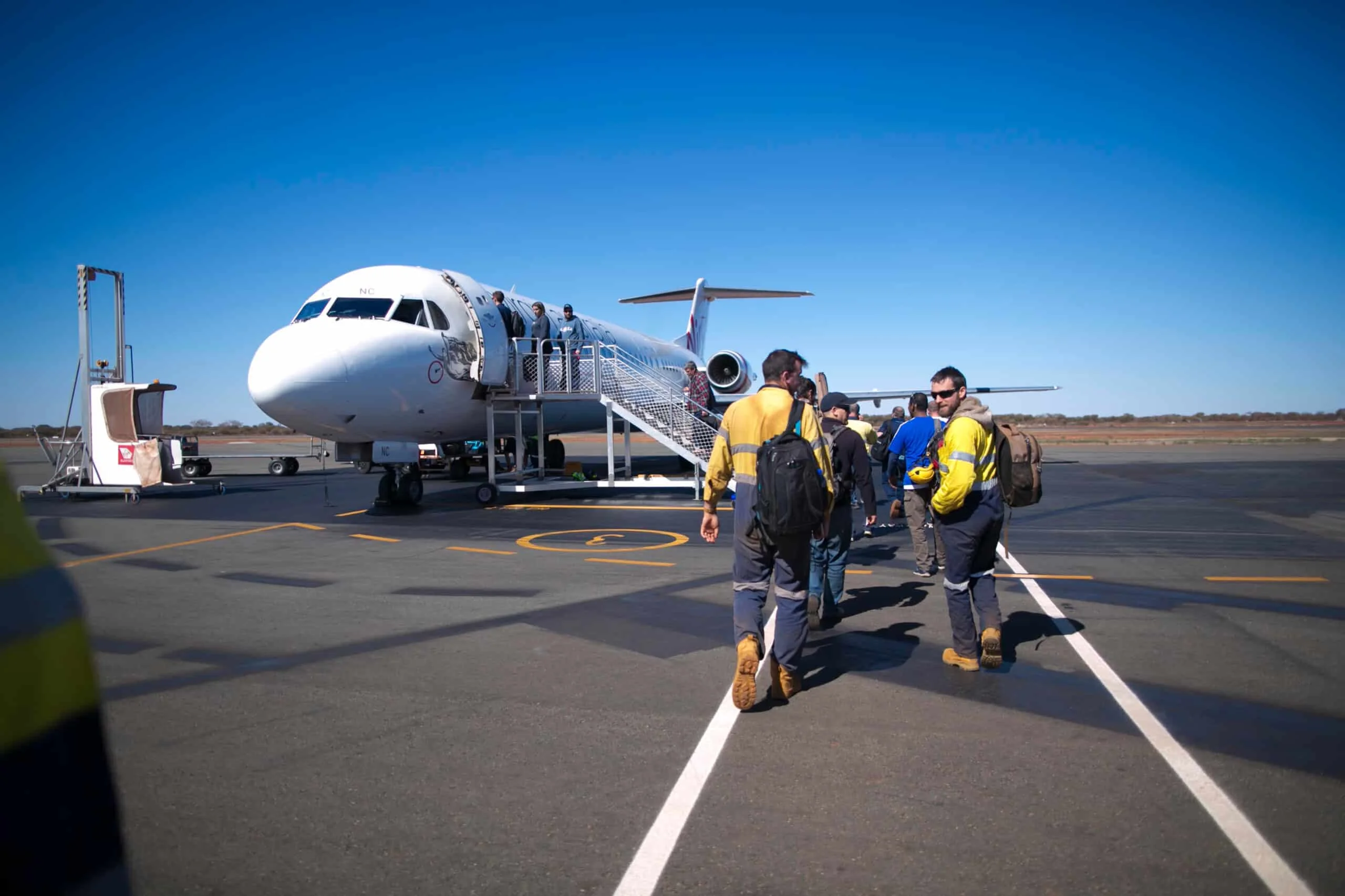 Charters
 Aerodrome Operations
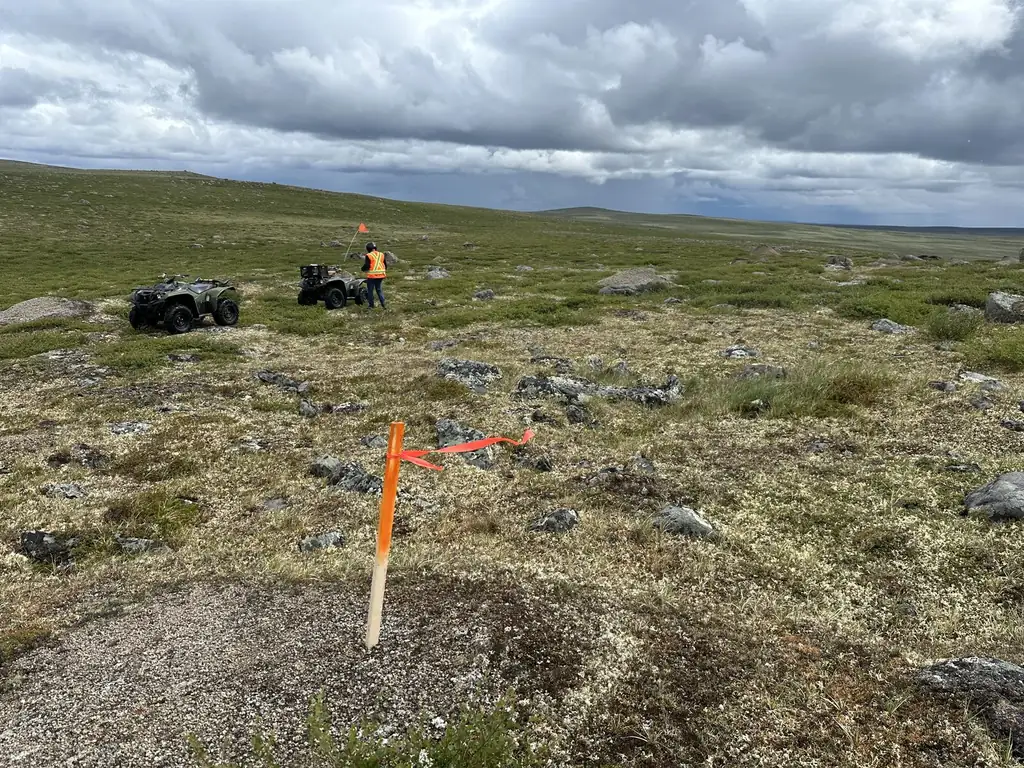 Design and Engineering
 Training, Testing and Manuals
Learn more
Either way, each piece is planned around the others.
- Air logistics and FIFO operations. Rotation design, schedules, manifests, freight and urgent cargo, coordinated with the site's shift plan.
- Charters. We choose the right aircraft and contract it for you, for crew moves, construction equipment, cargo, heavy lift and one-off missions. Cirrus signs and holds the charter contract with the carrier.
- Aerodrome operations. We can operate the aerodrome on your behalf, with our own ground handling staff and experienced airport managers. If you run it yourself, you can subcontract parts of the work to us instead, and we can provide an interim airport manager to cover sick leave, vacations or a departure.
- Design and engineering. On-site conceptual or preliminary design of the airstrip, conceptual or full design of the FIFO operation, and the regulatory path for the aerodrome.
- Training, testing and manuals. Passenger-handling, ground-crew and airport-management training, runway surface strength (CBR) testing, and an airport procedures manual for the strip.
How Is This Different From Booking Charters Directly?
Cost and reliability problems often come from the plan, not the flight.
Booking Charters Directly
- Every department books its own flights
- Every carrier quotes on its own aircraft
- Nobody looks at the whole week
We Start With the Plan
- Headcount by rotation
- Freight by season
- The airstrip's limits
- Backup options when the weather turns
Learn more
Booking charters directly works until the program grows. Then every department books its own flights, every carrier quotes on its own aircraft, and nobody looks at the whole week.
We start with the plan: headcount by rotation, freight by season, the airstrip's limits and the backup options when the weather turns. Then we choose aircraft and carriers to fit that plan, rather than reshaping the plan around whatever aircraft happens to be available.
How Does a Managed Aviation Program Work?
- MapHow people and freight move today
- PlanAircraft types, schedule, contingency windows
- ContractCirrus signs and holds the charter contracts
- RunA direct line to it 24/7
- ReviewWhat moved and what slipped
Learn more
- Map. We document how people and freight move today: rotations, volumes, carriers, contracts, the airstrip and its seasonal limits.
- Plan. We design the program: aircraft types, schedule, contingency windows, the airstrip's requirements and who decides what.
- Contract. We choose carriers against that plan and contract the aircraft for you. Cirrus signs and holds the charter contracts and sets the service terms.
- Run. One Cirrus team coordinates carriers, the site and the airstrip day to day, and you have a direct line to it 24/7.
- Review. We hold regular reviews of what moved and what slipped, and adjust the plan.
How Do You Choose an Aviation Provider for a Mine?
Ask these questions before you sign.
Do they own the aircraft?
An operator will plan around its fleet. An independent manager can choose the aircraft that fit your mine.
Do they cover the airstrip, or only the flights?
Many missed days start on the ground: surface condition, snow clearing, fuel, staffing.
Do they know your aerodrome's regulatory status?
Is your strip unregistered, registered or a certified airport? Each status comes with different obligations under the Canadian Aviation Regulations.
Who do you reach when a flight is in doubt?
Make sure it is a team that knows your program and answers at any hour, not a general inbox.
Can they support every stage of the mine?
Exploration, construction, production and closure all need different aircraft and different airstrip work.
What will they report, and how often?
Agree up front on what you will see: flights, loads, delays and their causes.
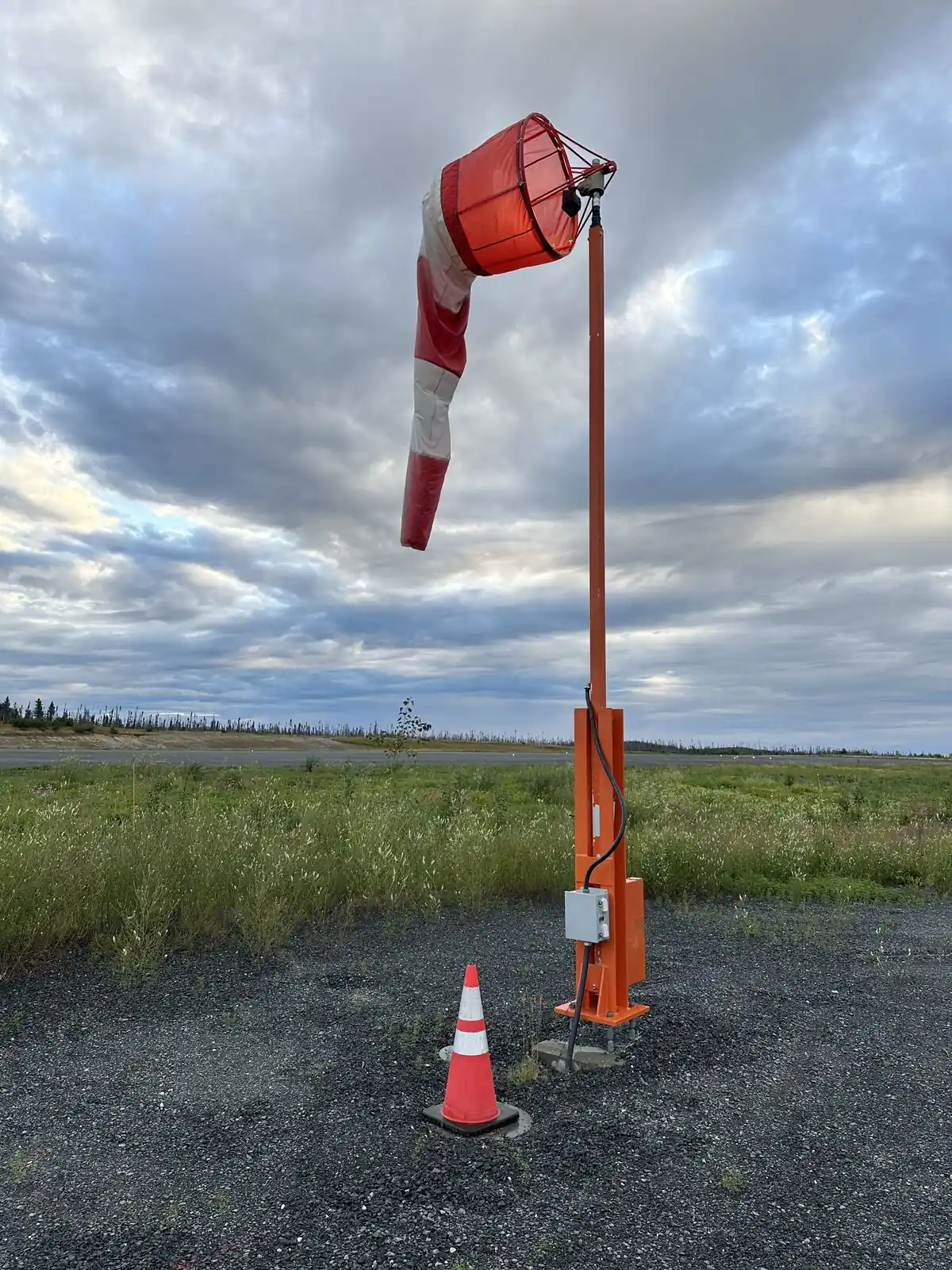
Does a Mine Airstrip Need Transport Canada Certification?
That depends on how the airstrip is used.
- Built-up area of a city or town
- Scheduled passenger service
- Public interest and good for safety
- Other aerodromes can be registered
Learn more
Under the Canadian Aviation Regulations, an aerodrome must hold an airport certificate in three cases:
- it is in the built-up area of a city or town;
- it is a land aerodrome that an air operator uses for scheduled passenger service, unless Transport Canada has given each air operator using it a written authorization;
- the Minister considers certification to be in the public interest and good for safety.
Other aerodromes fall under the general aerodrome rules. They can be registered with Transport Canada, which publishes them in the Canada Flight Supplement.
We review your airstrip's use against those rules as part of the plan. For certification, operations manuals and runway upkeep, see all our airport services.
What Changes Over the Life of a Mine?
The aviation needs change at every stage, and so does our role.
- ExplorationConceptual design of the airstrip
- Bulk Sampling and ConstructionAir logistics ramp up
- OperationsWe can operate the aerodrome for you
- ProductionWe train your staff, carry out CBR testing
- DecommissioningThe reverse of construction
Learn more
- Exploration. We go to the site to do the conceptual design of the airstrip, design the FIFO operation (conceptually or in full) and handle the logistics.
- Bulk sampling and construction. Air logistics ramp up. We charter aircraft to bring in construction equipment, cargo and the supplies that keep high-capacity camps running, some of them of up to about 1,000 workers.
- Operations. We can operate the aerodrome for you, with our own ground handling staff and airport managers. If you run it yourself, you can subcontract the parts you choose to us.
- Production. We train your staff, carry out CBR testing, build the airport procedures manual and provide an interim airport manager when yours is on sick leave or vacation, or has resigned.
- Decommissioning. The reverse of construction: we manage the charters that take everything off the site, choose the right aircraft for each load and, if you contract us for it, keep the aerodrome operating until the last flight.
We plan with the next stage in mind, so the airstrip and the contracts don't have to be rebuilt each time. See what each stage needs from aviation.
What Each Stage of a Mine Needs From Aviation
Select a stage to see what it needs, what often goes wrong and what Cirrus does.
Exploration and scouting
What it needs. Short charters to the camp, often onto unpaved or seasonal ice strips, with small aircraft or helicopters.
Common problems. Little reliable data on the strip, fast changing weather, limited fuel on site and charter prices that move with the market.
What Cirrus does. We visit the site, do the conceptual design of the airstrip, design the FIFO operation (conceptually or in full), charter the right aircraft and handle the logistics. We also train your staff on dangerous goods.
Pre-feasibility study
What it needs. An air logistics plan for the study, a first location for the airstrip and realistic aircraft options.
Common problems. Generic cost assumptions that don't reflect the aircraft and runways actually available in the region.
What Cirrus does. A site visit, airfield layouts, a design report and a cost estimate for the airstrip. We also write the aviation section of the study.
Feasibility study and permitting
What it needs. An aerodrome feasibility design to lender due diligence standards, the Transport Canada file and a long term plan for workforce flights.
Common problems. Close review of aerodrome costs, downtime from seasonal weather and permits spread across several jurisdictions.
What Cirrus does. The aerodrome design basis (runway length, crosswind, lighting, obstacles), support with the registration or certification file, and detailed FIFO rotation schedules.
Construction
What it needs. Charters for construction equipment, oversized loads, cargo and camp supplies, plus regular flights for the trades.
Common problems. Missed flights that delay construction, soft gravel that limits payload and ramp handling that isn't coordinated.
What Cirrus does. We charter the aircraft and sequence the cargo flights. We also provide CBR testing, gravel runway maintenance, a fuel program set up to CSA B836 as the fuel farm is built, and ramp safety procedures and training.
Production and FIFO operations
What it needs. Steady FIFO rotations, an aerodrome run every day and de-icing in winter.
Common problems. Empty return flights, crew duty time limits, winter closures and fuel surcharges.
What Cirrus does. We plan FIFO schedules around your shifts and hold the carrier contracts. We can operate the aerodrome with our own ground handling staff and airport managers, including runway condition reporting. We also train your staff, including on de-icing, and provide an interim manager when yours is away.
Closure and reclamation
What it needs. Flights to take equipment and dangerous goods off the site, closing the aerodrome and later access for environmental monitoring.
Common problems. Closure steps that drag on, old fuel facilities and monitoring flights nobody budgeted for.
What Cirrus does. We manage the charters that take everything off the site and choose the right aircraft for each load. If you contract us for it, we keep the aerodrome operating until the last flight. We can also help with the closure steps, such as removing markings and wind direction indicators.
Frequently Asked Questions
Is Cirrus an airline or an aircraft operator?
No. Cirrus plans and manages the aviation program. We contract the aircraft for you from carriers, and those carriers fly them under their own operating certificates.
What are FIFO air operations?
FIFO (fly-in fly-out) air operations move a mine's workforce between home and site on a set rotation by air. The work covers the schedule, the aircraft, the manifests, the terminal and the airstrip at both ends.
Can we keep the carriers we already use?
Yes. We can build the program around carriers already under contract, contract new ones for you where the plan needs them, or combine the two.
Can Cirrus manage only part of our aviation?
Yes. You can buy what you need, from a single service such as one charter, a CBR test or a training session, up to a full program. Whatever you start with, we plan it so it can fit into a larger program later.
Can Cirrus operate our airstrip for us?
Yes. We can operate the aerodrome on your behalf with our own ground handling staff and airport managers. If you prefer to run it yourself, you can subcontract specific parts to us, such as an interim airport manager, training or CBR testing.
Does our mine airstrip need to be certified by Transport Canada?
It does if it is in a built-up area, if an air operator uses it for scheduled passenger service without a written authorization from Transport Canada, or if the Minister requires certification in the public interest. Otherwise it falls under the general aerodrome rules and can be registered. A certified airport must also have a safety management system, or SMS.
Do you work in French and English?
Yes. Everything we offer, from planning and reports to training, is available in French and English.
Tell Us How Your Crews Move Today.
- Where the mine is
- How many people rotate
- What the airstrip looks like
We'll come back with what a managed program would change.
Talk to usOr email info@cirrusintelligence.ca